


Dr. Sushil Kumar Jain
Gastro Doctor in Jaipur for Complete Digestive Care
MD, DM (Gastroenterology)
-

Gas / Acidity
-

Ulcer Bleeding
-

Constipation
-

Diarrhea
Dr. Sushil Kumar Jain (Liver Specialist)
Liver Specialist in Jaipur for Trusted Liver Care
MD, DM (Gastroenterology)
-

Liver Biopsy
-

Liver Cancer
-

Liver Failure
-

Cirrhosis
Dr. Sushil Kumar Jain (Gastro Doctor)
Gastro Doctor in Jaipur for Advanced Digestive Care
MD, DM (Gastroenterology)
-

Gastroenteritis
-

Pancreatitis
-

Ulcer Bleeding
-

CBD Stone Removal
CONTACT US
OPEN HOURS
Mon-Sat | 09:00 AM-08:00 PM
When Should You See a Gastro Specialist?
Not every stomach problem needs a specialist, but symptoms that keep returning or become difficult to manage deserve attention. If you have ongoing acidity, abdominal pain, vomiting, bowel changes, or appetite loss, a Gastro Specialist in Jaipur can help find the cause and suggest the right treatment.
Gas, Acidity & Heartburn
Frequent gas, acidity, heartburn, a sour taste, or a burning feeling in the chest or upper abdomen may be signs of a digestive problem. If these symptoms keep coming back, it is better to have them checked.
Abdominal Pain
Abdominal pain can have many causes, including indigestion, infections, constipation, IBS, ulcers, or problems affecting the liver, gallbladder, or pancreas. Pain that is severe, persistent, or keeps returning should be properly evaluated.

Nausea & Vomiting
Occasional nausea or vomiting may settle on its own, but repeated vomiting can cause dehydration and may be linked to an underlying digestive condition. Frequent vomiting or vomiting with severe abdominal pain needs medical attention.

Ulcer Symptoms
Stomach or duodenal ulcers may cause burning or pain in the upper abdomen, indigestion, nausea, or a feeling of fullness. Persistent symptoms should be checked, as some ulcers can cause bleeding or other complications.
Blood in Vomit
Blood in vomit may appear bright red or look like coffee grounds. It can be a sign of bleeding in the upper digestive tract and should never be ignored. Seek prompt medical attention if this happens.
Constipation
Hard or dry stools, difficulty passing stools, fewer bowel movements, or a feeling that your bowel has not emptied are common signs of constipation. Persistent constipation, especially with pain or bleeding, should be evaluated.

Diarrhoea
Frequent loose or watery stools can occur due to infections, food-related problems, medicines, or other digestive conditions. If diarrhoea continues or occurs with blood, severe pain, fever, or signs of dehydration, medical advice is important.

Indigestion & Bloating
Indigestion may cause upper abdominal discomfort, burning, bloating, belching, nausea, or feeling full sooner than usual. When these symptoms happen often or interfere with your daily routine, it is important to find out what is causing them.

Loss of Appetite
A noticeable or ongoing loss of appetite can occur with digestive or liver-related conditions. It becomes more concerning when it occurs with vomiting, abdominal discomfort, unexplained weight loss, or other symptoms that do not go away.

Difficulty Swallowing
Feeling that food is getting stuck or having difficulty swallowing food or liquids should not be overlooked. Difficulty swallowing can have different causes and may require further assessment by a gastroenterologist.

Unexplained Weight Loss
Losing weight without trying can sometimes be linked to an underlying digestive or other health condition. If unexplained weight loss occurs along with persistent digestive symptoms or loss of appetite, specialist evaluation is recommended.

Blood in Stool or Black Stools
Blood in the stool or black, tar-like stools can indicate bleeding somewhere in the digestive tract. This should not be ignored, particularly when accompanied by abdominal pain, weakness, dizziness, or other concerning symptoms.

Dr. Sushil Kumar Jain
MD, DM(Gastroenterology)
ACE Gastro and Super Speciality Center
Gastro Doctor in Jaipur

Associate With

Indus Jaipur Hospital
Consultant Gastroenterologist & HOD
Dr. Sushil Kumar Jain is one of the Best Gastro Doctor in Jaipur, Currently working at Indus Jaipur Hospital, He has 15+ years of experience in this field.
Gastro & Liver Treatment
Digestive and liver problems can range from common acidity and indigestion to conditions that need specialist attention. Dr. Sushil Kumar Jain, a Gastro Doctor in Jaipur, provides personalised diagnosis and treatment for gastro and liver conditions, based on each patient’s symptoms, medical history, and treatment needs.

Gastroenteritis
Gastroenteritis affects the stomach and intestines and commonly causes diarrhoea, vomiting, nausea, and abdominal pain. Treatment depends on what is causing the infection and how severe the symptoms are.
Treatment may focus on:
- Managing vomiting and diarrhoea
- Replacing lost fluids and preventing dehydration
- Supporting proper nutrition during recovery
- Treating the underlying cause when required.

Pancreatitis
Pancreatitis occurs when the pancreas becomes inflamed. It commonly causes pain in the upper abdomen and may also lead to nausea and vomiting. The condition can be sudden or may continue over time, depending on its type.
Treatment depends on the cause and severity and may include:
- Managing pain and other symptoms
- Giving fluids and maintaining nutrition
- Finding and treating the underlying cause
- Monitoring for possible complications

Haematemesis
Haematemesis means vomiting blood. The blood may be bright red or may look similar to coffee grounds. It can happen because of bleeding in the upper digestive tract, including ulcers and other stomach or food-pipe conditions.
Because vomiting blood can indicate significant gastrointestinal bleeding, it should not be ignored. Medical evaluation helps identify where the bleeding is coming from and how it should be managed.

Ulcer Bleeding
A stomach or duodenal ulcer can sometimes cause bleeding. You may notice blood in vomit or black, tar-like stools. Gastrointestinal bleeding needs timely medical attention so that the source can be identified and managed.
Treatment focuses on:
- Finding the source of the bleeding
- Controlling the bleeding
- Treating the underlying ulcer
- Reducing the chance of further bleeding.

CBD Stone Removal
CBD stands for common bile duct. A stone in this duct can block the normal flow of bile and may cause abdominal pain, jaundice, or other complications.
When removal is required, an endoscopic procedure may be used to locate and remove the stone. The appropriate approach depends on the patient’s condition and investigation results.

Variceal Bleeding
Varices are enlarged veins that can develop in the food pipe or stomach, often in people with advanced liver disease. If these veins bleed, the condition can become serious and requires urgent medical care.
Management may involve:
- Assessing the severity and source of bleeding
- Controlling the active bleeding
- Treating the underlying liver condition
- Taking steps to reduce the risk of another bleeding episode

Indigestion
Indigestion can cause upper abdominal discomfort, burning, bloating, belching, nausea, or feeling full sooner than usual. If these symptoms happen often or continue for a long time, finding the underlying cause is important.
Depending on the cause, treatment may include:
- Medicines when required
- Suitable dietary and lifestyle changes
- Tests to identify an underlying condition
- Further evaluation when symptoms persist

Constipation
Constipation can make stools hard, dry, or difficult to pass. You may also feel that your bowel has not emptied. Persistent constipation can have different causes, so treatment is based on the individual patient.
Management may include:
- Improving fibre intake
- Drinking enough fluids
- Making suitable lifestyle changes
- Medicines when recommended
- Finding and treating an underlying cause when necessary

Liver Failure
Liver failure is a serious condition in which the liver becomes badly damaged and cannot work properly. It may happen suddenly or develop after years of liver disease.
Treatment depends on how severe the condition is and what caused the liver damage. It may include:
- Treating the cause of liver damage
- Managing problems caused by liver failure
- Regular monitoring of liver function
- Considering advanced treatment or transplant evaluation in severe cases

Liver Biopsy
A liver biopsy involves taking a small sample of liver tissue so it can be examined under a microscope. It may be advised when blood tests or scans do not give enough information about what is happening inside the liver.
It can help the doctor understand:
- The type of liver problem
- How much damage has occurred
- The level of inflammation or scarring
- Which treatment may be suitable
- View More

Liver Cirrhosis
Cirrhosis happens when long-term liver damage causes healthy liver tissue to become scarred. As the scarring increases, the liver may not be able to work as well as it should.
Treatment mainly focuses on:
- Treating the cause of liver damage
- Preventing further damage
- Managing complications
- Keeping a regular check on liver health
Early medical care can help manage the condition and reduce the risk of further complications.

Jaundice
Jaundice causes the skin and whites of the eyes to turn yellow because of a rise in bilirubin in the blood. It is not a disease by itself but can be a sign of a liver, gallbladder, or bile duct problem. The first step is to find out why jaundice has developed. Treatment is then planned according to the underlying cause.

Liver Cancer
Liver cancer develops when abnormal cells in the liver grow uncontrollably. The symptoms and treatment can vary from one person to another.
If liver cancer is suspected, the doctor may assess:
- The type and stage of cancer
- Liver function
- Imaging and other test results
- The patient’s overall health
Treatment is then planned according to the individual condition and stage of the disease.

Hepatitis C
Hepatitis C is a viral infection that affects the liver. Some people may have few or no symptoms for a long time, while ongoing infection can gradually damage the liver.
Treatment is aimed at clearing the virus and protecting the liver from long-term damage. Modern antiviral medicines can successfully treat many people with hepatitis C.

Hepatitis B
Hepatitis B is another viral infection that affects the liver. Some people recover from the infection, while others develop a long-term infection that can damage the liver over time.
Depending on the person’s condition, care may include:
- Checking whether the infection is short-term or chronic
- Monitoring liver health
- Checking for liver damage
- Antiviral medicines when needed
- Regular follow-up

Ascites
Ascites means fluid has collected inside the abdomen. It is commonly seen in people with advanced liver disease and can cause the stomach to become swollen or uncomfortable.
Treatment depends on the reason for the fluid buildup and may include:
- Managing the underlying liver disease
- Medicines to control fluid buildup
- Dietary measures when advised
- Removing excess fluid through a procedure when necessary
DR SUSHIL KUMAR JAIN
MD, DM (Gastroenterology)
MD, DM (Gastroenterology)
Meet Our Doctor
Dr. Sushil Kumar Jain
MD, DM(Gastroenterology)
(Experienced Gastro Doctor in Jaipur)
Dr. Sushil Kumar Jain is an experienced Gastro Doctor in Jaipur with a special interest in gastroenterology, hepatology, and therapeutic endoscopy. He is currently working as a senior consultant and head of the Department of Gastroenterology at Indus Jaipur Hospital, Shipra Path, Jaipur. With more than 15 years of experience, he has cared for patients with a wide range of stomach, digestive, and liver problems.
Dr. Jain completed his MBBS from SMS Medical College, Jaipur, and his MD in Internal Medicine from JLN Medical College, Ajmer. He later completed his DM in Gastroenterology from AIIMS, New Delhi, where he received specialised training in digestive and liver diseases.
Furthermore, he is a member of the Indian Association of Physicians and the Indian National Association for the Study of Liver Diseases. His specialist training and continued involvement in gastroenterology and liver care support his approach to patient treatment.
Over the years, he has treated patients dealing with everyday digestive problems such as acidity, indigestion, diarrhoea, and constipation, as well as more serious conditions such as fatty liver, alcoholic liver disease, pancreatitis, gastrointestinal bleeding, hepatitis, and liver cirrhosis. As an experienced Liver Specialist in Jaipur, his work also includes therapeutic endoscopy and the management of conditions that require specialised gastroenterology and liver care.
Dr. Jain believes that good treatment starts with understanding the patient properly. He takes time to look at the symptoms, medical history, and test reports before deciding on the next step. He also explains the condition and treatment options in simple terms so that patients can make informed decisions about their care.
Gastro Treatment
- Gastroenteritis
- Pancreatitis
- Haematemesis
- Ulcer Bleeding
- CBD Stone Removal
- Variceal Bleeding
- Indigestion
- Constipation
Liver Treatment
- Liver Failure
- Liver Biopsy
- Liver Cirrhosis
- Jaundice
- Liver Cancer
- Hepatitis C
- Hepatitis B
- Ascites.
Quick Amenities at ACE Gastro Super Speciality Clinic
At ACE Gastro Super Speciality Clinic, patients can access essential services for consultation, diagnosis, treatment, medicines, and ongoing care, making their gastro and liver treatment journey more convenient.

Endoscopic Test

Blood Investigation

Pharmacy

Consultation
Liver Biopsy

OPD Treatment

Follow-Up Care
We are served since 15+ years to our patients with trust and we are happy.

4000+
Happy Patients

15+
Years of Experience

55000+
Endoscopic Procedure

Our Expert Dr Sushil Kumar Jain

OPD Treatment

Clinic Experts

Clinic Experts Team

Consultation

Core Experts Team
About Us
Welcome to ACE Gastro Super Speciality Clinic
Our Expert Dr Sushil Kumar Jain
OPD Treatment
Clinic Experts
Clinic Experts Team
Consultation
Core Experts Team
Digestive and liver problems can be uncomfortable and, when they keep coming back, can start affecting your everyday life. Dr. Sushil Kumar Jain, a Gastro Doctor in Jaipur, provides care for a wide range of stomach, digestive, and liver problems, with attention to what each patient is actually experiencing.
Patients can consult for common concerns such as acidity, indigestion, diarrhoea, constipation, fatty liver, alcoholic liver disease, jaundice, and hepatitis B and C. When needed, the clinic also provides diagnostic support through endoscopy, liver biopsy, and blood investigations to help understand the problem more clearly.

Specialist Experience
Dr. Sushil Kumar Jain has MD and DM (Gastroenterology) qualifications and more than 15 years of clinical experience. His work covers gastroenterology, liver care, and therapeutic endoscopy, with treatment planned according to the patient’s condition.

Complete Gastro & Liver Care
From everyday digestive complaints to more complex gastrointestinal and liver conditions, patients can receive consultation, investigation, treatment, and follow-up care according to their needs.
Our Health Tips Videos
Good health advice is easier to follow when you understand it. Watch videos by Dr. Sushil Kumar Jain on common digestive and liver problems, their symptoms, treatment, and other health tips to get good health advice. Our Gastro Specialist in Jaipur provides you with the necessary information that will assist you in making well-informed decisions about your treatment and diet concerning your digestive and liver difficulties.

Health Tips Video
Liver सही होने के कà...
How many chances are there for the liver to be fine? Know from Dr. Sushil Kumar Jain - Liver सही होने के कितने चान्सेस ? जाने डॉ. सुशील कुमार जैन से....

Health Tips Video
Know all about Gastro Esophageal Reflux ...
Gastro-Esophageal Reflux Disease is a disorder of the digestive system in which stomach acid or bile irritates the food pipeline. People with asthma are at higher risk of developing GERD. The warning signs are difficulty in swallowing, weig....

Health Tips Video
Jaundice Disease Prevention & Preca...
In this video, you will get complete information about the best jaundice prevention tips from dr. Sushil Kumar Jain. is one of the best gastro doctors in Jaipur and provides the best jaundice disease treatment at ACE Gastro Jaipur.....

Health Tips Video
Peptic Ulcer Prevention Tips By ACE Gast...
In this informative video, you will get complete information about the peptic ulcer prevention tips, so watch out the video completely and subscribe if you like these videos. also, click on the bell icon so you will never miss new update vi....
Patient Testimonials
Good care is not simply about treatment, but also about how the patient is made to feel. Read what some of our patients who booked an appointment with Dr. Sushil Kumar Jain, a Best Gastro Doctor in Jaipur, had to say about their experience in our clinic.
Arushi Mudgal
I was suffered from stomach pain 6 months ago I find Dr. Sushil Kumar jain on facebbok and then i take treatment from then i am fine now.
Adarsh Shukla
Dr. sushil kumar Jain is the best doctor I meet. I have problem regarding my stomach pain and i was not able to eat my food properly and by that my weight was going down. then i meet dr. sushil and he treated me well and now i eat properly and i m very good. I also refer Dr. Sushil to them who have problem related to their stomach.
Ashish Verma
He is one of the best gastroenterologists in Jaipur. I took my peptic ulcer treatment from him and I would recommend you, people to visit him once for any gastro-related problems.
Ankit Bohra
He is the best ever gastroenterologist in Jaipur. Never rushed always willing to listen and so smart to understand the problem of patients. Dr. Sushil Kumar Jain is very abled professional doctor.
Ankit
Dr. Sushil Kumar Jain is truly the best gastroenterologist in Jaipur. He explains the problems very comprehensively and advises treatment without any unnecessary tests. I truly recommended Dr. Sushil Kumar Jain as a gastro and liver disease treatment.
 View All Review
Make an Appointment
Recent Health Articles
Our doctors and staff at Ace Gastro will provide the very best patient care possible and
offer it in a timely manner.
25
Sep
Sep
Health Tips
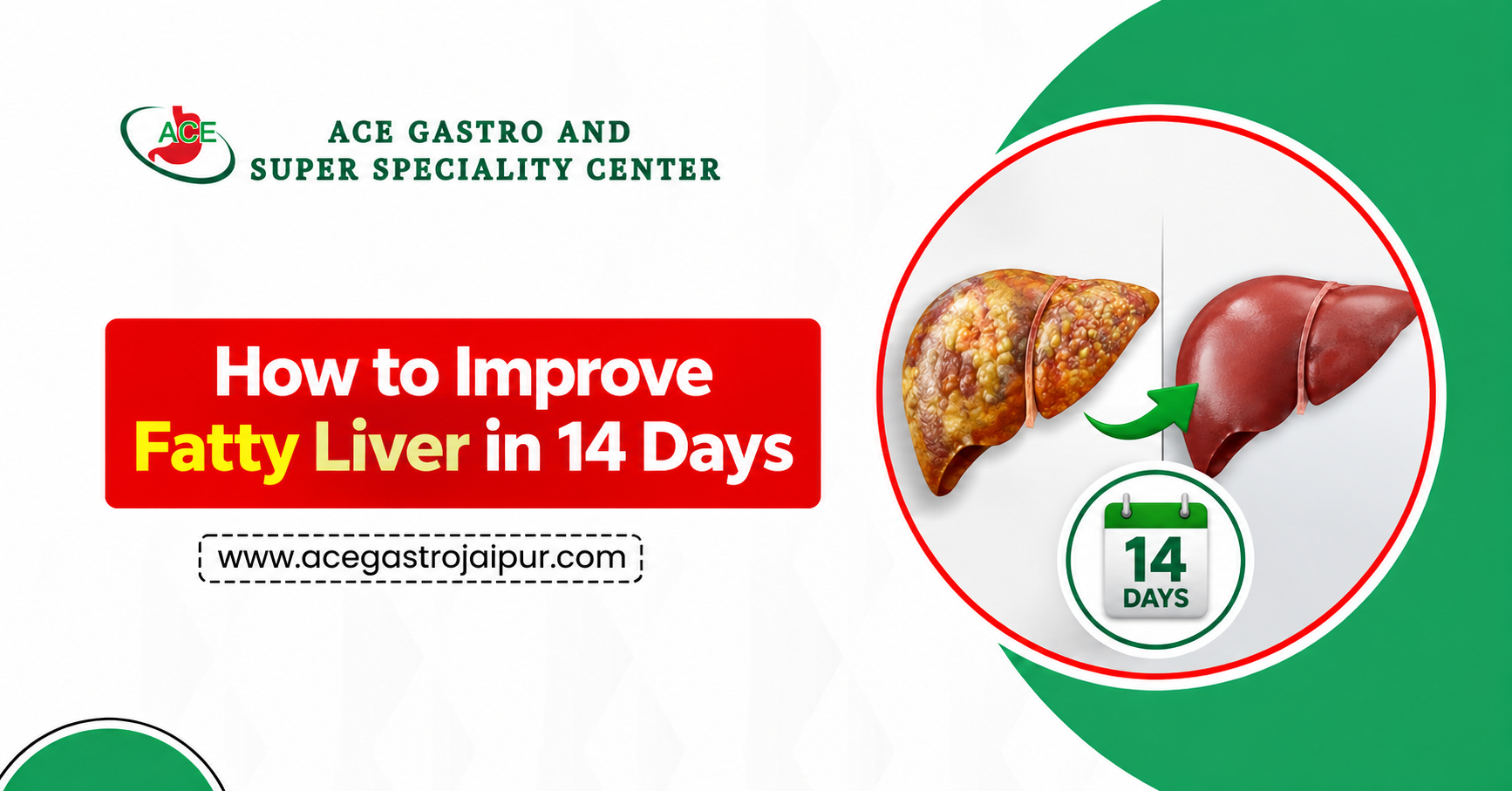
How to Improve Fatty Liver in ...
Fatty liver disease has quietly become one of the most common health concerns in India, affecting nearly 1 in 3 adults, often without any obvious symptoms until the condition progresses....
31
Aug
Aug
Health Tips
Top 5 Gastroenterologists in J...
If your stomach has been causing problems for weeks and antacids no longer help, it's time to stop waiting. Bloating that doesn’t go away, reflux that wakes you up every...
31
Jul
Jul
Health Tips
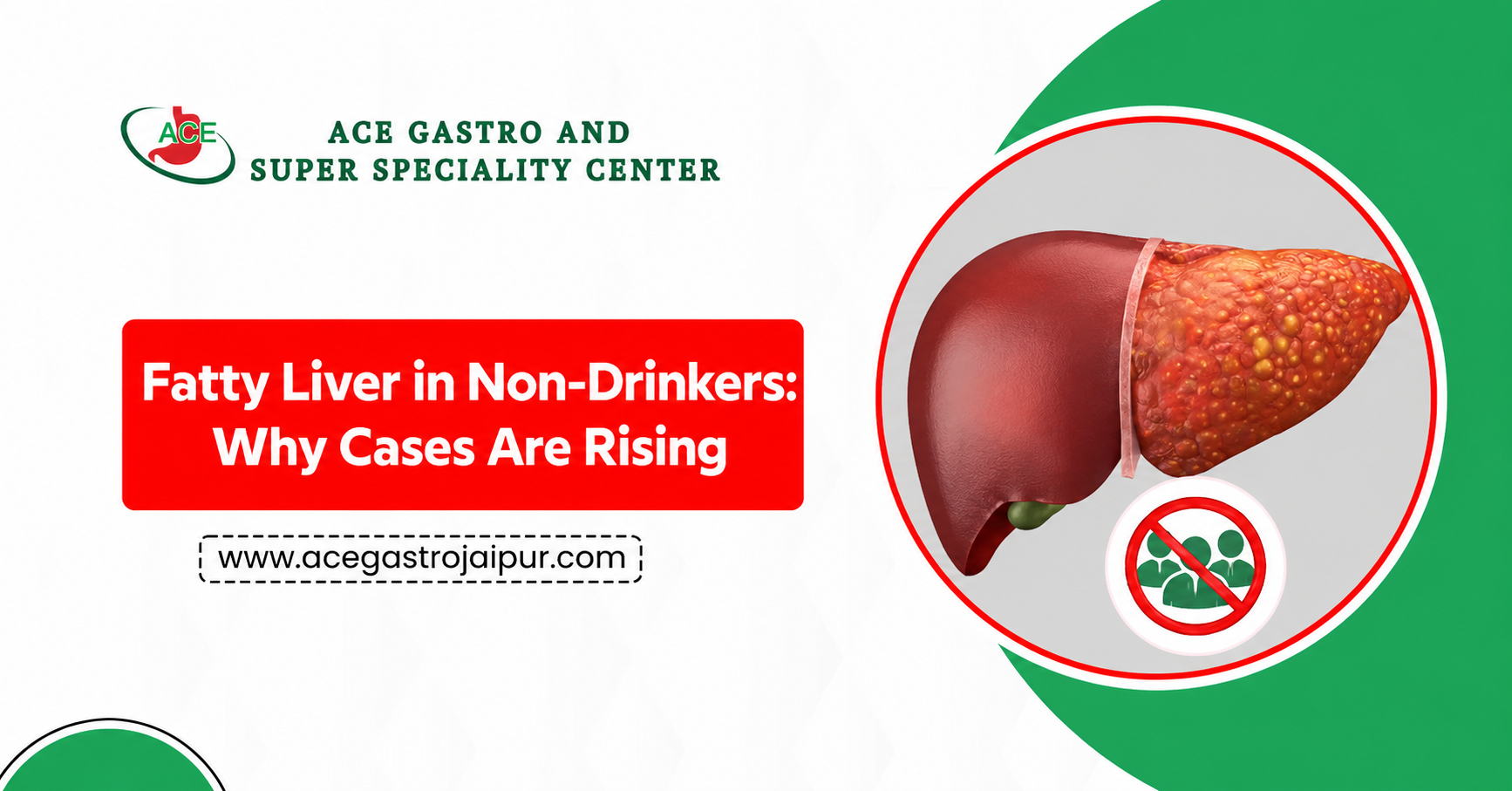
Fatty Liver in Non-Drinkers: W...
Introduction If you always believed that fatty liver only happens to people who drink alcohol, it's time to rethink that assumption. Over the past few years, doctors have been seeing...
24
Jun
Jun
Health Tips
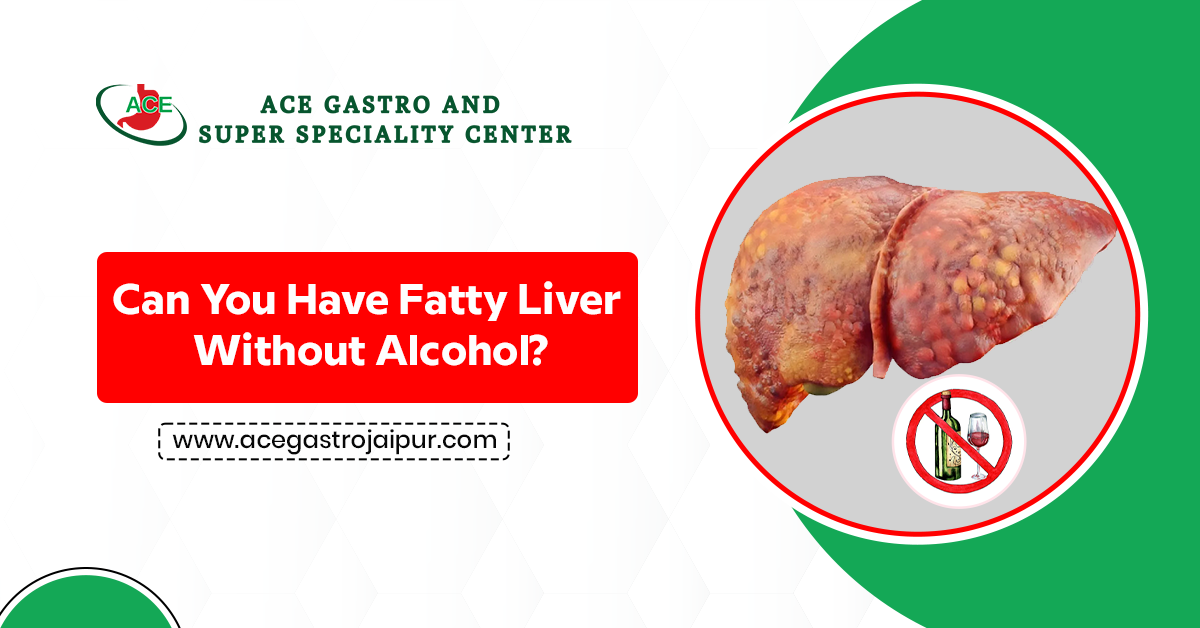
Can You Have Fatty Liver Witho...
For many people, fatty liver and alcohol go hand in hand. That's why getting diagnosed with fatty liver can be confusing when you don't drink at all. The first reaction...
What sets Dr. Sushil Kumar Jain apart?
When your stomach keeps troubling you or a liver problem needs proper attention, you want more than a quick consultation. Dr. Sushil Kumar Jain, a Gastro Doctor in Jaipur, brings specialised training and more than 15 years of clinical experience to help patients understand their condition and choose the right way forward.

Trained at AIIMS, New Delhi
Dr. Jain completed his DM in Gastroenterology from AIIMS, New Delhi, after his MBBS from SMS Medical College, Jaipur, and MD in Internal Medicine from JLN Medical College, Ajmer. His training has given him a strong foundation in managing digestive and liver conditions.

15+ Years of Hands-On Experience
Every digestive problem is different. Over more than 15 years of clinical practice, Dr. Jain has cared for patients with conditions ranging from common acidity and indigestion to pancreatitis, gastrointestinal bleeding, fatty liver, hepatitis, and cirrhosis.
More Than Just a Consultation
Some digestive conditions need more than medicines. With experience in Therapeutic Endoscopy, Dr. Jain can diagnose and manage certain gastrointestinal problems through endoscopic procedures when they are appropriate for the patient.

Understand Your Condition, Not Just Your Prescription
A diagnosis can be confusing when you do not know what your reports mean or why a particular treatment has been suggested. Dr. Jain takes time to explain the condition, test results, treatment choices, and next steps in simple language.
Make an Appointment
FAQ’S
Read all the FAQ related to gastro and liver diseases by Dr. Sushil Kumar Jain (Gastro Doctor in Jaipur ).
-
Loss of appetite
-
Ulcer / Bleeding
-
Indigestion
-
Gas / Acidity
-
Diarrhea
-
Constipation
-
Abdominal Pain and Vomiting
A sudden loss of appetite can happen for many reasons. You may have an infection, stomach upset, acidity, stress, anxiety, or a side effect from a medicine. Sometimes, it can also be linked to another health problem. If your appetite does not come back, it is better to find out why.
There can be many reasons why you don’t feel hungry. Indigestion, acidity, constipation, stomach infections, ulcers, stress, and some medicines can affect your appetite. Health problems involving the liver or other parts of the body can also play a role. A Gastro Specialist in Jaipur can help find the actual reason if the problem continues.
Stomach infections, gastritis, ulcers, constipation, and some liver problems can make you lose your appetite. You may also eat less when you have an infection or are feeling unwell. If your appetite stays low for a while, a Gastro Specialist can check whether a digestive problem is behind it.
Try eating small meals instead of having a big meal at once. Choose foods that you like and find easy to digest. Drink enough water and try to eat around your usual mealtimes. If you still don’t feel hungry after several days or are losing weight, talk to a doctor.
Don’t force yourself to eat a large meal. Try small portions of foods such as khichdi, dal, curd, soup, rice, bananas, eggs, or whatever feels comfortable for you. You can also have a nutritious drink if solid food doesn’t appeal to you. The main thing is to avoid going without food for too long.
Yes, they can. Acidity, bloating, nausea, stomach discomfort, and indigestion can make you feel like you don’t want to eat. But if your poor appetite keeps coming back, don’t assume acidity is the only reason. It is better to get checked, especially if you also have pain, vomiting, or weight loss.
Yes. When you’re stressed or anxious, you may notice that you don’t feel hungry like you normally do. This can happen for a short time or continue while the stress is still there. If stress is affecting your eating, sleep, or everyday life, talking to a doctor can help.
Yes. If you keep eating less than usual, you may start losing weight and feel tired or weak. Your body may also not get enough nutrients. If you are losing weight without trying, especially along with poor appetite, it is a good idea to see a Best Gastro Doctor in Jaipur and find out what is causing it.
It depends on what’s causing it. If you have a minor illness or stomach upset, your appetite may return within a few days. But if it continues for weeks or keeps coming back, there could be another reason behind it. In that case, speak with a doctor instead of ignoring it.
You should get medical advice if your appetite stays low or you are losing weight without trying. It is especially important if you also have severe stomach pain, repeated vomiting, trouble swallowing, fever, or changes in your bowel movements. Blood in your vomit or stool needs prompt medical attention.
Not always. Sometimes you simply lose your appetite because of stress, an infection, stomach upset, or a medicine. It often gets better once the cause settles. But if the loss of appetite is sudden, severe, or continues along with weight loss, pain, vomiting, or bleeding, don’t ignore it.
The treatment depends on why you have lost your appetite. Your doctor may ask about your symptoms, eating habits, medicines, and any changes in your weight. You may need some tests to find the cause. Once the reason is clear, the doctor can treat the problem rather than simply trying to increase your appetite.
See a Gastro Doctor in Jaipur if your appetite stays low, keeps coming back, or you are losing weight. You should also get checked if you have ongoing acidity, indigestion, stomach pain, vomiting, constipation, diarrhoea, trouble swallowing, or blood in your stool or vomit.
A peptic ulcer is an open sore in the lining of the stomach or the first part of the small intestine. The symptoms can be different from one person to another. Some people may not notice any symptoms until the ulcer causes a complication.
Common symptoms include:
- Burning or aching pain in the upper part of the stomach
- Bloating or frequent burping
- Nausea or vomiting
- Feeling full sooner than usual
- Pain that may come and go
If the pain keeps returning or does not improve, it is better to get it checked rather than treating it as simple acidity.
A bleeding ulcer does not always cause obvious bleeding that you can see. Sometimes the first signs are weakness, dizziness, or unusual tiredness because of blood loss.
Look out for:
- Vomiting blood or material that looks like coffee grounds
- Black, sticky, or tar-like stools
- Feeling dizzy or faint
- Unusual weakness
- Pale or clammy skin
These can be signs of gastrointestinal bleeding and need urgent medical attention. Do not wait for the symptoms to settle on their own.
Yes, a bleeding ulcer can become serious, particularly when a person loses a lot of blood. If bleeding is heavy or continues without treatment, it can lead to severe weakness, low blood pressure, shock, and can become life-threatening. If you notice blood in your vomit, black stools, fainting, severe dizziness, or sudden weakness, seek emergency medical care immediately.
The biggest warning signs are changes in your vomit or stool. Vomiting blood or passing black, tar-like stools can mean that there is bleeding somewhere in the upper digestive tract.
Other symptoms can include:
- Dizziness or light-headedness
- Fainting
- Weakness or unusual tiredness
- Fast heartbeat
- Pale or clammy skin
If these symptoms appear, don’t wait for a routine appointment. You may need urgent treatment.
Yes. A stomach or duodenal ulcer can slowly damage the tissue and a nearby blood vessel, causing bleeding. The amount of bleeding can vary. Some people may lose small amounts of blood over time, while others can develop sudden and heavy bleeding.
A bleeding ulcer may cause black stools, vomiting blood, dizziness, or weakness. If any of these symptoms appear, medical attention is important.
Most peptic ulcers are caused by either H. pylori infection or regular use of certain painkillers known as NSAIDs.
These include medicines such as:
- Ibuprofen
- Naproxen
- Aspirin
These medicines can damage the stomach’s protective lining, especially when used regularly or at higher doses. Smoking and some other factors can also make ulcers harder to heal.
Finding the actual cause is important because treatment is different depending on what is behind the ulcer.
Treatment depends on how much the ulcer is bleeding and what caused it. A doctor may first check your blood count and other signs of blood loss. An upper GI endoscopy may also be used to locate the bleeding and, in many cases, stop it.
Treatment can include:
- Medicines that reduce stomach acid and help the ulcer heal
- Treatment to clear an H. pylori infection, when present
- Stopping or changing medicines that are contributing to the ulcer, when medically appropriate
- Endoscopic treatment to control active bleeding
- Blood transfusion or other treatment when there has been significant blood loss
Severe or difficult-to-control bleeding may require additional procedures or surgery.
If you think an ulcer is bleeding, don’t try to manage it at home. Vomiting blood, black stools, fainting, severe dizziness, or sudden weakness can mean significant blood loss.
Get urgent medical help. Once the bleeding is controlled, Ulcer Treatment in Jaipur can focus on finding the cause and helping the ulcer heal properly.
A severe, untreated bleeding ulcer can be life-threatening because heavy blood loss can cause shock and other serious complications. However, prompt medical treatment can usually control the bleeding and address the cause.
The important thing is not to ignore warning signs such as:
- Vomiting blood
- Black, tar-like stools
- Fainting or severe dizziness
- Sudden weakness
These symptoms require urgent medical attention.
There is no special food or ulcer diet that can cure a peptic ulcer. What you eat can affect how comfortable you feel, but the ulcer itself needs proper medical treatment.
You can generally focus on balanced meals and choose foods that do not make your symptoms worse. If spicy, oily, acidic, or very heavy foods trigger your discomfort, you can limit them.
If an ulcer keeps returning, don’t simply keep taking medicines whenever the pain starts. The reason for the repeated ulcers needs to be looked into.
Your doctor may check for:
- H. pylori infection
- Regular use of painkillers such as NSAIDs
- Whether the previous ulcer healed properly
- Other digestive problems that may be causing similar symptoms
- A Gastro Specialist can review your history, recommend the right tests, and help prevent the ulcer from repeatedly coming back.
You don’t have to wait until the pain becomes severe. See a doctor if you have stomach pain or burning that keeps coming back, frequent indigestion, nausea, or other symptoms that are not settling.
You should seek urgent medical help if you have:
- Vomiting blood
- Black or tar-like stools
- Severe or worsening stomach pain
- Fainting or severe dizziness
- Sudden weakness
Dr. Sushil Kumar Jain, Gastro Specialist in Jaipur, can assess your symptoms and decide whether you need tests such as an H. pylori test or upper GI endoscopy to find the cause.
Acidity and stomach ulcers are not the same thing. Having acidity does not automatically mean you have an ulcer. Most peptic ulcers are linked to H. pylori infection or regular use of NSAID painkillers. However, ongoing acidity, stomach pain, or indigestion should not be ignored, especially if the symptoms keep returning. That is why it is important to consult with a gastro doctor in Jaipur.
Indigestion usually causes discomfort in the upper part of your stomach, especially during or after eating. You may feel burning, pain, bloating, or get full sooner than usual.
Some people also notice:
Nausea
Frequent burping
Feeling uncomfortably full after a small meal
It can happen occasionally or keep coming back. Heartburn can occur at the same time, but indigestion and heartburn are not the same thing.
There isn’t always one clear cause. In many people, long-lasting indigestion is called functional dyspepsia, where symptoms occur even when no specific digestive disease is found.
Other things that can contribute include:
- Eating too much or too quickly
- Fatty or greasy foods
- Certain medicines
- Stress or anxiety
- Acid reflux
- Gastritis or an ulcer
They can be connected, but they are not the same problem. Acidity or acid reflux can sometimes cause symptoms that feel similar to indigestion, and some people experience both. If you frequently have burning, sour fluid coming into your mouth, stomach discomfort, or symptoms after meals, it is worth discussing them with a doctor rather than assuming everything is just acidity.
If you have indigestion once in a while, a few simple changes may help:
- Eat smaller meals and take your time while eating.
- Cut back on foods that clearly trigger your symptoms.
- Avoid overeating and very heavy meals.
- Reduce fizzy drinks or excess caffeine if they make you uncomfortable.
- Try to manage stress and get enough rest.
If the problem keeps coming back, don’t keep taking medicines on your own. A gastro doctor can check whether something else is causing your symptoms.
There is no single home remedy that works for everyone. Start by noticing what seems to trigger your symptoms and make small changes rather than cutting out large groups of foods without a reason. Eating slowly, having smaller meals, avoiding foods that make you uncomfortable, and managing stress may help. If these steps don’t make a difference, ACE Gastro Super Speciality Clinic can help you find out why the symptoms are continuing.
There isn’t one food that is best for everyone. Your triggers may be different from someone else’s, so it is better to notice which foods make you feel uncomfortable.
Some people find that fatty or greasy foods, fizzy drinks, caffeine, or certain acidic foods make their symptoms worse. Choose simple, balanced meals that you tolerate well rather than following a very restrictive diet.
Drinking enough water is important, but water is not a guaranteed treatment for indigestion. Having some water may feel comfortable for you, but drinking large amounts will not necessarily settle the problem. If you regularly feel uncomfortable after eating, focus on finding the reason for your indigestion rather than depending on water or home remedies. Dr. Sushil Kumar Jain, can assess your symptoms if they continue.
The treatment depends on what’s causing the problem. Your doctor may first ask about your symptoms, eating habits, medicines, and medical history. Sometimes tests are needed to look for an underlying digestive problem.
Depending on the cause, treatment may include:
- Medicines to reduce stomach acid
- Treatment for an underlying infection when needed
- Changes to medicines that may be causing symptoms
- Changes in eating habits
- Treatment for another digestive condition
At ACE Gastro Super Speciality Clinic, plan the treatment according to the reason behind your symptoms rather than simply masking them.
It can. Some people with indigestion also experience nausea or vomiting. However, repeated vomiting should not simply be blamed on indigestion. You should get medical help if vomiting keeps happening, you cannot keep food or fluids down, you notice blood in your vomit, or you have severe stomach pain or unexplained weight loss.
Occasional indigestion is common, but ongoing or worsening symptoms deserve attention. You should see a doctor if the problem doesn’t improve or keeps coming back.
Get medical advice sooner if you also have:
- Unexplained weight loss
- Loss of appetite
- Difficulty or pain while swallowing
- Frequent vomiting
- Severe or constant stomach pain
- Blood in vomit or black stools
- Yellowing of the skin or eyes
A Gastro Doctor can assess your symptoms and decide whether you need further tests.
Sometimes, yes. Indigestion itself is a group of symptoms, rather than a disease. It can occur with conditions such as reflux, gastritis, or peptic ulcers, although many people with long-lasting indigestion have no specific digestive disease.
Yes. Stress and anxiety can affect the way your digestive system works and may make indigestion symptoms worse. Some people notice more stomach discomfort, bloating, or changes in appetite during stressful periods.
If you notice that your stomach problems get worse during stressful times, managing stress may help. But don’t assume stress is the only reason if your symptoms continue or become more severe.
If indigestion keeps happening, a Best Gastro Doctor is the right specialist to consult. A gastroenterologist can look at your symptoms and check whether they could be related to reflux, gastritis, an ulcer, or another digestive problem.
At ACE Gastro Super Speciality Clinic, Dr. Sushil Kumar Jain can review your symptoms and suggest the right evaluation and treatment based on your condition.
Acidity can happen when stomach acid moves back into the food pipe. Heavy meals, lying down soon after eating, certain foods, smoking, and some medicines can make it worse. If it happens often, a Gastro Doctor can help find the reason and suggest suitable treatment.
You may notice a burning feeling in your chest or upper stomach, a sour taste in your mouth, frequent burping, or a feeling that food or acid is coming back up. If these symptoms happen regularly, it is better to get them checked rather than treating them as simple acidity.
Gas can cause bloating, frequent burping, passing gas more often, or a feeling of pressure in your stomach. You may also have mild abdominal discomfort. Eating too quickly, swallowing air, fizzy drinks, and certain foods can increase gas. If it keeps happening, it is worth finding out why.
Gas can become painful when it gets trapped in the digestive tract. You may feel pressure, cramping, bloating, or sharp discomfort that comes and goes. Most of the time it settles, but severe or ongoing pain should not simply be blamed on gas. A Best Gastro Doctor can help check the cause.
Gas and bloating can sometimes cause pressure or discomfort that is felt around the chest. However, chest pain should never automatically be assumed to be gas. If it is severe or comes with breathlessness, sweating, dizziness, or pain spreading to your arm or jaw, seek urgent medical attention.
Foods affect people differently, so there is no single list that applies to everyone. Beans, lentils, some vegetables, dairy products, fizzy drinks, and heavy or fatty meals may cause problems for some people. Keeping track of what you eat can help you identify the foods that trigger your symptoms.
Yes, some people may feel bloated when they have acidity or acid reflux. You may feel unusually full or uncomfortable after eating. However, bloating can also be caused by gas, constipation, food intolerance, or other digestive problems. If it happens regularly, getting the actual cause checked is important.
Try eating smaller meals, eating slowly, and avoiding foods that clearly make your symptoms worse. Cutting down on fizzy drinks and not lying down immediately after eating may also help. If gas and acidity keep coming back, a Gastro Doctor can check whether another digestive problem is involved.
Water is a simple option when you have acidity, but there is no particular drink that works for everyone. If tea, coffee, fizzy drinks, or certain other beverages make your symptoms worse, reducing them may help. Frequent acidity should be properly checked instead of relying only on drinks or home remedies.
Eating slowly, avoiding fizzy drinks, and reducing foods that trigger your symptoms can help. Smaller meals may also feel more comfortable. Staying active can be useful as well. If excessive gas continues despite these changes, it may be worth seeing a doctor to find out whether another digestive problem is causing it.
If acidity keeps returning or starts affecting your daily life, a Gastro Specialist is the right specialist to consult. A gastroenterologist can review your symptoms and look for problems such as reflux or other digestive conditions. At ACE Gastro Super Speciality Clinic, Dr. Sushil Kumar Jain can guide you through the evaluation and treatment.
Yes, they can occur at the same time, although gas and acidity are not the same problem. Gas usually causes bloating, burping, and abdominal discomfort, while acidity may cause burning or acid coming back up. If both problems keep returning, a Gastro Doctor can help identify what is behind them.
Occasional symptoms are usually not a major concern, but repeated or worsening problems should be checked. See a Gastro Doctor in Jaipur if symptoms affect your daily life or do not improve. Dr. Sushil Kumar Jain at ACE Gastro Super Speciality Clinic can help find the cause and plan appropriate treatment.
Diarrhea means passing loose or watery stools more often than usual. It can start suddenly and often settle within a few days. Common causes include stomach infections, food poisoning, contaminated food or water, certain medicines, food intolerance, and some digestive problems.
There isn’t one single cause of diarrhea. Short-term diarrhea is often caused by an infection, food poisoning, contaminated food or water, or certain medicines. If it keeps coming back or lasts longer than expected, food intolerance or another digestive problem may need to be checked.
Loose or watery stools are the main sign, but diarrhea can come with other symptoms too. You may have stomach cramps, an urgent need to use the bathroom, bloating, nausea, vomiting, or weakness. Fever or blood in the stool can also occur and should not be ignored.
There isn’t a guaranteed way to stop diarrhea immediately because the right treatment depends on its cause. The first thing to do is replace the fluids and electrolytes you are losing. Drink enough fluids and consider an oral rehydration solution. If symptoms are severe or continue, see a doctor.
If the diarrhea is mild, focus on drinking enough fluids and replacing lost electrolytes. Eat when you feel hungry and choose foods that feel comfortable for your stomach. Avoid anything that clearly makes your symptoms worse. If it continues or keeps coming back, a Gastro Specialist can help.
Yes, spicy food can cause diarrhea in some people, especially if their digestive system is sensitive to it. It may also make existing stomach discomfort worse. However, repeated diarrhea after eating should not always be blamed on spicy food, as an infection, food intolerance, or another digestive problem could be involved.
Diarrhea can be contagious when it is caused by an infection. Some infections can spread through contaminated food or water or through contact with an infected person’s stool or vomit. Washing your hands properly, drinking safe water, and handling food carefully can help lower the chance of spreading an infection.
The main goal is to replace the fluids and electrolytes lost through frequent stools. Water can help, while an oral rehydration solution is useful when you are losing a lot of fluid. If diarrhea is severe or you notice signs of dehydration, speak to a doctor promptly.
Yes. Frequent loose stools can make you lose more fluid than usual, which can lead to dehydration. You may notice excessive thirst, dry mouth, dark urine, less frequent urination, tiredness, dizziness, or weakness. If dehydration becomes severe, medical attention may be needed to replace the lost fluids.
Sudden, very watery diarrhea after eating can have several possible causes. Food poisoning, an infection, food intolerance, or something that did not suit your stomach may be responsible. If it happens repeatedly after certain foods, keep track of what you ate and discuss the pattern with a doctor.
You don’t usually need to stop eating when you have diarrhea. Eat when you feel able and choose foods that your stomach handles comfortably. Keep drinking fluids as well. If certain foods make your symptoms worse, avoid them for the time being and gradually return to your normal diet as you feel better.
Sometimes watery diarrhea can start suddenly without causing other noticeable symptoms. It may happen after eating something that didn’t suit you or because of a mild infection. If you otherwise feel well, keep yourself hydrated and watch your symptoms. Seek medical advice if it becomes frequent or continues.
If diarrhea is frequent, lasts longer than expected, or keeps coming back, a Gastro Doctor can help find the reason. Dr. Sushil Kumar Jain at ACE Gastro Super Speciality Clinic can review your symptoms and medical history and suggest the appropriate tests or treatment when needed.
Constipation means having bowel movements less often than usual or passing hard, dry stools that are difficult to pass. You may also need to strain or feel that your bowel has not emptied. It can happen occasionally or become a recurring problem that needs proper attention.
Constipation doesn’t always mean simply going to the toilet less often. You may notice:
- Hard, dry, or lumpy stools
- Straining while passing stool
- Pain or discomfort during bowel movements
- Feeling that your bowel hasn’t emptied fully
- Bloating or abdominal discomfort
If these symptoms continue, it is worth finding out why they are happening.
Constipation can have several causes. A diet low in fibre, not drinking enough fluids, lack of physical activity, ignoring the urge to pass stool, or a change in your usual routine can contribute. Certain medicines and some medical conditions can also affect how your bowel works.
Hard stool usually forms when it stays in the bowel for too long and loses more water. Not getting enough fibre or fluids, being inactive, or regularly ignoring the urge to use the toilet can contribute. Some medicines can also make stools harder, especially when constipation starts after taking a new medicine.
Some people are more likely to experience constipation because of their lifestyle, age, diet, or health conditions. Common risk factors include:
- Eating too little fibre
- Not drinking enough fluids
- Low physical activity
- Changes in routine
- Certain medicines
- Pregnancy or older age
Severe constipation can make passing stool very difficult and may cause significant bloating, abdominal discomfort, or a feeling of being completely blocked. If you also have constant abdominal pain, vomiting, fever, blood in your stool, unexplained weight loss, or cannot pass gas, you should seek medical attention promptly.
Fibre-rich foods can help make stools softer and easier to pass. Try adding fruits, vegetables, whole grains, oats, beans, lentils, nuts, and seeds to your meals. Increase fibre gradually rather than suddenly, and drink enough fluids. This can help your bowel adjust and make bowel movements more comfortable.
For mild constipation, drinking enough fluids, gradually increasing fibre, staying active, and going to the toilet when you feel the urge may help. Giving yourself enough time to use the bathroom can also make things easier. If constipation doesn’t improve, a doctor can suggest suitable treatment.
You should consult a Gastro Doctor in Jaipur if constipation keeps coming back, does not improve with basic lifestyle changes, or starts affecting your daily routine. Dr. Sushil Kumar Jain can assess your symptoms, look for possible causes, and decide whether you need further tests or treatment.
The right treatment depends on why you are constipated. For some people, increasing fibre, drinking enough water, and becoming more active may be enough. Others may need a fibre supplement, laxative, or prescription treatment. If the problem continues, proper evaluation is better than repeatedly taking medicines on your own.
Constipation can sometimes cause problems when it continues for a long time or involves repeated straining. It may contribute to haemorrhoids, anal discomfort, or small tears around the anus. Severe or long-lasting constipation may need medical evaluation, particularly if you develop unusual symptoms or the problem suddenly becomes worse.
Constipation should not be ignored when it comes with symptoms that could indicate a more serious problem. Seek medical advice if you have:
- Blood in the stool
- Constant or severe abdominal pain
- Vomiting
- Fever
- Unexplained weight loss
- Inability to pass gas
If constipation is persistent, difficult to manage, or keeps returning, a Gastro Doctor can help identify the reason and choose the right treatment. At ACE Gastro Super Speciality Clinic, Dr. Sushil Kumar Jain can evaluate your symptoms and guide you through appropriate care.
Abdominal pain and vomiting can happen because of a stomach infection, food poisoning, indigestion, constipation, acidity, or a digestive condition. The location and severity of the pain can give useful clues. If both symptoms are severe, keep returning, or are getting worse, they should be checked by a doctor.
Abdominal pain can feel different depending on its cause. You may notice cramping, burning, sharp or dull pain, bloating, or discomfort in one particular area. It may occur with nausea, vomiting, constipation, or diarrhoea. Severe or persistent pain should not be ignored.
Occasional mild symptoms may settle on their own, but you should see a Gastro Specialist in Jaipur if the pain or vomiting keeps returning or does not improve. Get urgent medical help if you have severe pain, blood in vomit, black stools, high fever, fainting, or signs of dehydration.
Severe abdominal pain can have many causes, from a serious stomach infection to problems involving the gallbladder, pancreas, liver, or other organs. The location and nature of the pain matter. If the pain starts suddenly, becomes severe, or comes with vomiting or bleeding, seek medical attention promptly.
Yes, trapped gas can cause pressure, bloating, cramps, and pain in different parts of the abdomen. It often improves after passing gas or having a bowel movement. However, severe or ongoing pain should not automatically be blamed on gas, especially if you also have vomiting, fever, or bleeding.
Yes. Vomiting blood can mean there is bleeding somewhere in the upper digestive tract and should be treated as a medical emergency. The blood may be bright red or look like coffee grounds. If this happens, seek urgent medical care rather than waiting for the bleeding to stop on its own.
The tests depend on your symptoms and what the doctor finds during the examination. You may need blood tests, stool tests, an ultrasound, or other scans. In some cases, an endoscopy may be recommended. The doctor will choose tests based on the suspected cause rather than ordering every test.
Yes. Stomach infections can cause abdominal cramps or pain along with vomiting, diarrhoea, nausea, and sometimes fever. They are often caused by viruses, bacteria, or contaminated food and water. Most mild infections improve with proper fluids and rest, but severe or persistent symptoms need medical attention.
Seek urgent medical care if abdominal pain is sudden or severe, especially when it comes with repeated vomiting, blood in vomit, black or bloody stools, fainting, severe weakness, fever, or a swollen abdomen. These symptoms can sometimes point to a condition that needs immediate treatment.
Yes. A stomach or duodenal ulcer can cause burning or pain in the upper abdomen and may also lead to nausea or vomiting. If an ulcer starts bleeding, you may notice blood in vomit or black stools. These signs require prompt medical attention rather than home treatment.
If abdominal pain keeps returning, don’t keep treating it as simple gas or acidity without finding out why. Keep note of when the pain occurs, what you ate, and any other symptoms. A Gastro Doctor can assess the pattern and decide whether further tests are needed.
Vomiting with mild stomach discomfort may sometimes settle, but repeated vomiting with severe or worsening abdominal pain needs attention. Blood in vomit, black stools, high fever, dehydration, dizziness, or fainting are warning signs. In such cases, seek medical help promptly instead of waiting for the symptoms to pass.
If abdominal pain or vomiting is persistent, a Gastro Doctor can help identify whether the problem is related to the stomach, intestine, liver, gallbladder, pancreas, or another digestive condition. Dr. Sushil Kumar Jain at ACE Gastro Super Speciality Clinic can evaluate your symptoms and guide you towards appropriate care.