

Irritable Bowel Syndrome (IBS)
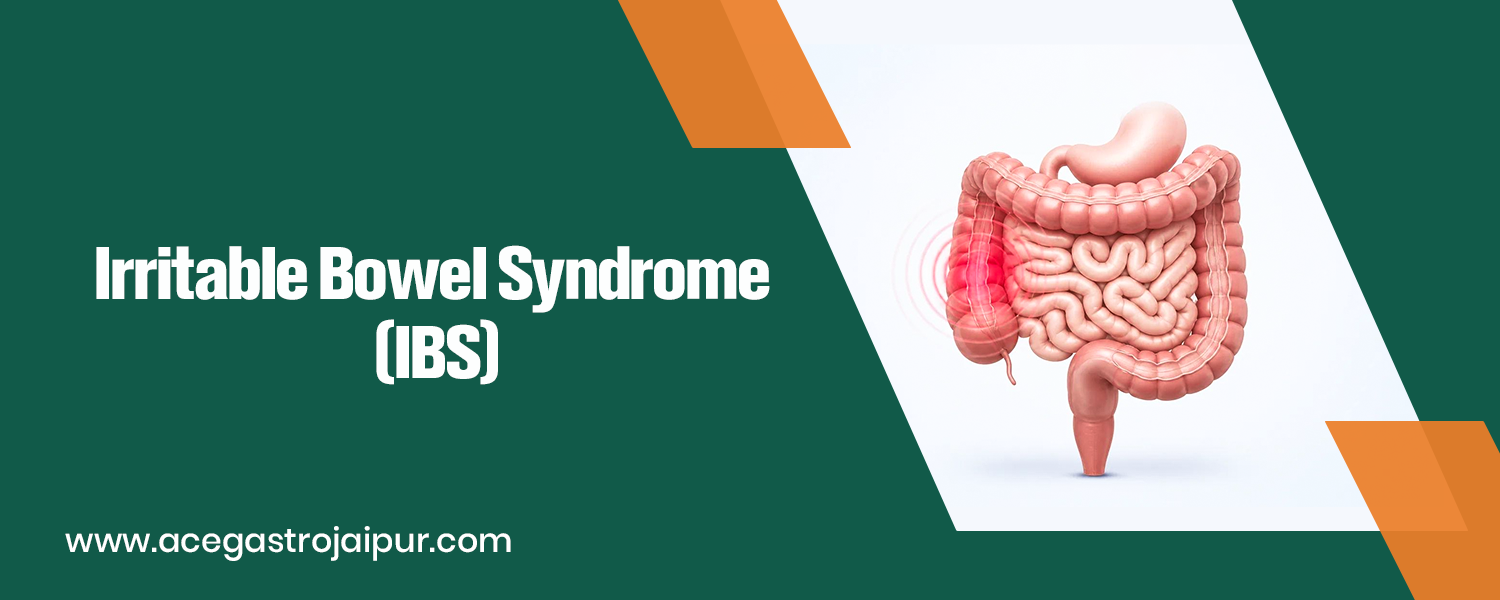
IBS is a common gut problem that affects how you pass stools and how you feel after eating. It can cause stomach pain, bloating, gas, and constipation or diarrhoea, sometimes only now and then, sometimes again and again. It’s hard to predict, which is what makes it so frustrating, but diet, daily habits, and medical treatment when needed usually keep it under control, and knowing your own triggers is often the key.
What is IBS
It is a condition in which the digestive system does not work normally, even though there may not be visible damage to the intestine. People with IBS can have changes in bowel movements along with abdominal pain or discomfort.
The exact reason why IBS develops is not known. Several factors may be involved, including changes in bowel movements, increased sensitivity of the intestine, changes in gut bacteria, and the way the brain and digestive system communicate with each other. A previous stomach infection or periods of stress may also play a role in some people.
IBS is different from inflammatory bowel diseases such as Crohn’s disease and ulcerative colitis. It does not usually cause inflammation or permanent damage to the bowel.
What are the symptoms of IBS?
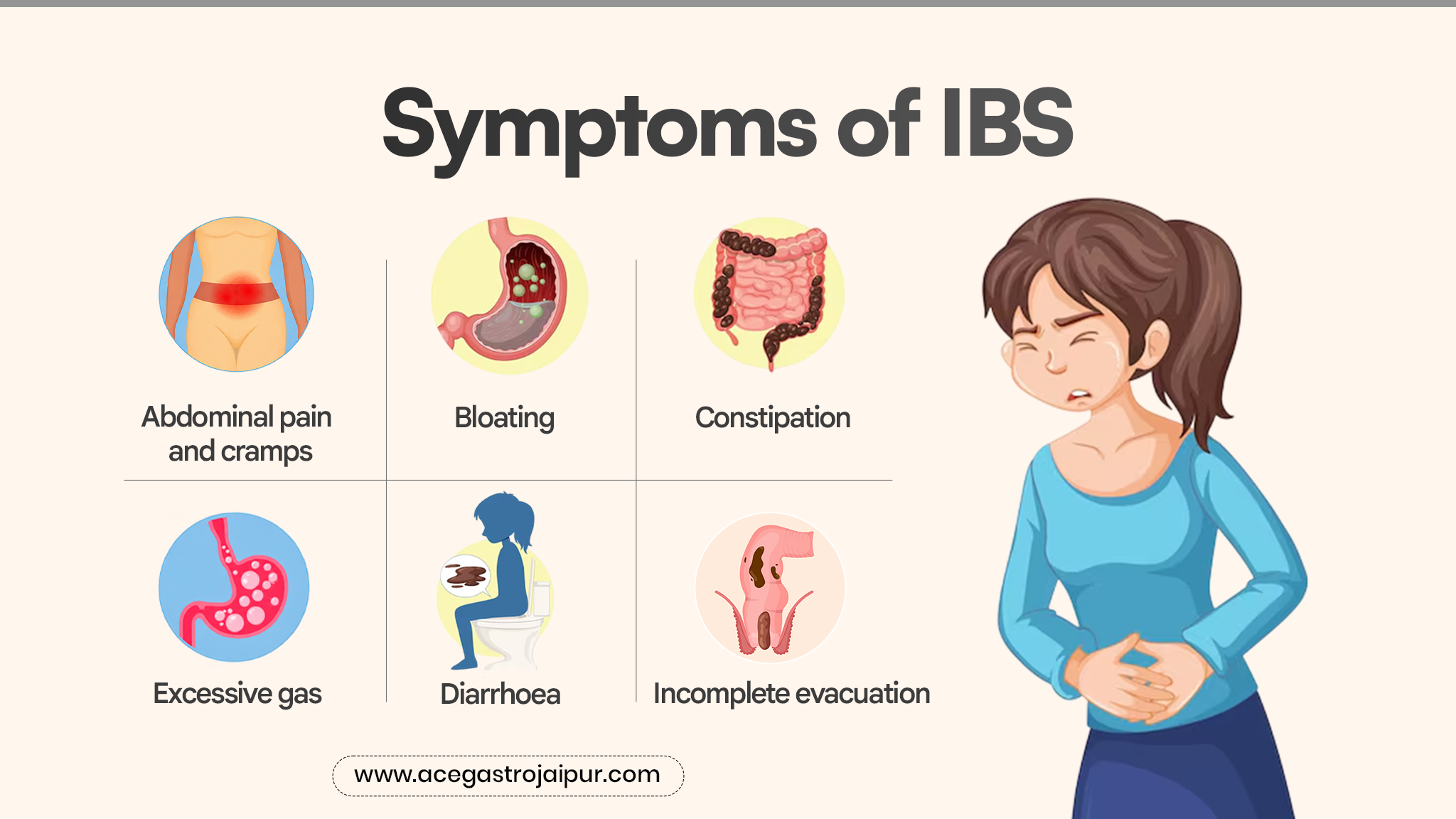
The common symptoms of IBS can be different for each person. Some people have constipation primarily, while others have loose stools or diarrhoea.
Some of the symptoms are:
- Abdominal pain or cramps
- Feeling full or bloated
- Too much gas
- Constipation
- Diarrhoea
- Changes in the frequency or consistency of stools.
- Urgent need to pass stool
- A feeling of not having empty bowels
So the symptoms of IBS can vary from person to person and can get worse during a flare-up. Knowing the symptoms you have and what triggers them can help your doctor suggest the best way to manage IBS.
What are the causes of IBS?
There is no single cause of IBS. It may develop due to a combination of digestive, lifestyle, and emotional factors, such as:
- Changes in the normal movement of the bowel
- Increased sensitivity of the intestine
- Changes in the balance of gut bacteria
- Previous stomach or intestinal infections
- Stress, anxiety, or emotional strain
- Certain foods that trigger digestive symptoms
What are the Types of IBS?
IBS is generally divided into different types according to the person’s main bowel pattern.
- IBS with constipation (IBS-C): Constipation is the main problem. Stools may be hard to pass, and bowel movements may be less frequent.
- IBS with diarrhoea (IBS-D): Loose or watery stools are more common. Some people may also experience urgency or abdominal cramps.
- IBS with mixed bowel habits (IBS-M): Constipation and diarrhoea may occur at different times.
- Unclassified IBS (IBS-U): The symptoms are consistent with IBS but do not clearly fit into the other categories.
The type of IBS can change over time. A person who usually experiences constipation may sometimes have loose stools, so the symptoms need to be reviewed from time to time.
What Triggers IBS Flare-Ups?
IBS flare-ups do not always have one obvious cause. A food that causes problems for one person may not affect someone else. Keeping track of symptoms can help identify personal triggers.
Some common triggers include:
- Spicy or very fatty foods
- Caffeine and alcohol
- Certain foods containing fermentable carbohydrates
- Eating very large meals
- Skipping meals or eating at irregular times
- Stress and anxiety
- Poor sleep
- Hormonal changes
- Previous gastrointestinal infections
Stress can be an important factor because the brain and digestive system are closely connected. This does not mean that IBS is “just stress.” Rather, emotional stress can change gut activity and make existing symptoms feel worse.
A simple food and symptom diary can be useful. It can help identify whether certain foods, eating patterns, or situations are repeatedly followed by symptoms.
Diagnosis and Tests for IBS
There is no single test that can confirm IBS. A doctor usually starts by asking about the symptoms, how long they have been present, bowel habits, and medical history. A physical examination may also be performed.
Depending on the person’s symptoms, the doctor may recommend tests to rule out other conditions. These may include:
- Blood tests: These may be used to check for anaemia, inflammation or conditions such as coeliac disease.
- Stool tests: These can help check for infections or signs of inflammation when appropriate.
- Colonoscopy: This may be advised in selected cases, especially when there are symptoms or other findings that need further investigation.
Symptoms such as blood in the stool, unexplained weight loss, anaemia or persistent severe abdominal pain should not simply be assumed to be IBS. They need proper medical evaluation.
Treatment Options for IBS
The main goal of irritable bowel treatment is to control symptoms and help the person get back to their normal routine. Treatment is not exactly the same for everyone. It depends on whether constipation, diarrhoea, abdominal pain, or another symptom is causing the most trouble.
- Dietary Changes: Regular meals, enough fluids and identifying personal food triggers can help. Soluble fibre may be useful for people who have constipation. In some cases, a doctor or dietitian may suggest a low-FODMAP diet for a limited period, followed by gradual food reintroduction.
- Medicines: Medicines may be used when changes in diet and lifestyle are not enough. Depending on the symptoms, a doctor may recommend treatment for constipation, diarrhoea or abdominal cramps. The choice should be based on the person’s symptoms and medical history.
- Lifestyle Changes: Regular physical activity, adequate sleep and stress management can support better digestive health. Eating slowly and avoiding very large meals may also help reduce bloating and discomfort.
- Psychological Therapies: Some people find that relaxation techniques, cognitive behavioural therapy or gut-directed hypnotherapy help when stress is closely linked with their digestive symptoms.
The right irritable bowel treatment should be based on the person’s symptoms rather than using one approach for everyone. A doctor can review the symptoms and adjust the treatment if they change.
Take the Next Step
Looking for Effective IBS Treatment in Jaipur?
Knowing your triggers and following the right treatment plan can make IBS much easier to manage. If you notice blood in your stool or unexplained weight loss, seek medical help without delay. To book a consultation with Dr. Sushil Kumar Jain, He is a dedicated Gastroenterologist in Jaipur, visit Ace Gastro Super Speciality Clinic at 69/85, Main VT Road, Ward 27, Mansarovar Sector 6, Mansarovar, Jaipur, Rajasthan 302020, or call 9462067445.
FAQ: Irritable Bowel Syndrome
Q. 1 Is irritable bowel syndrome dangerous?
Ans: IBS is not considered a life-threatening condition and does not usually cause permanent damage to the intestines. However, ongoing symptoms can affect a person’s quality of life. Blood in the stool, unexplained weight loss, or anaemia are warning signs that need medical attention.
Q. 2 What are the symptoms of IBS?
Ans: The common symptoms of IBS include abdominal pain, bloating, gas, constipation, diarrhoea, and changes in bowel habits. Some people may also feel an urgent need to pass stool or feel that their bowel has not completely emptied. Symptoms can be mild at times and more troublesome during flare-ups.
Q. 3 What is IBS and can it be cured?
Ans: IBS is a common condition for people who have repeated stomach discomfort or changes in their bowel habits. IBS is a long-term digestive condition, but symptoms can often be controlled. There is no single permanent cure, and treatment usually focuses on reducing symptoms and preventing frequent flare-ups.
Q. 4 What is the best irritable bowel treatment?
Ans: The most suitable irritable bowel treatment depends on the symptoms a person is experiencing. Dietary changes, lifestyle measures and medicines may all have a role. Someone with constipation may need a different approach from someone with diarrhoea. A doctor can recommend treatment after assessing the person’s symptoms.
Q. 5 When should I see a doctor for IBS symptoms?
Ans: It is a good idea to speak with a doctor when abdominal pain, constipation, diarrhoea or bloating keeps returning or begins affecting daily life. Medical advice is especially important if symptoms are new or worsening, or if there is blood in the stool, unexplained weight loss, anaemia, or severe persistent pain.
Q. 6 How can Dr. Sushil Kumar Jain help with IBS treatment?
Ans: Dr. Sushil Kumar Jain can assess patients who are experiencing recurring digestive symptoms such as abdominal pain, bloating, constipation, or diarrhoea. A consultation can help review the symptoms, identify possible triggers, and decide whether any tests are needed before discussing suitable treatment and ongoing management.
Q. 7 Can diet help manage IBS?
Ans: Yes, diet can make a difference for some people with IBS. However, there is no single diet that works for everyone. Identifying personal food triggers, eating regular meals, and adjusting fibre intake may help. Some patients may benefit from a supervised low-FODMAP diet with gradual reintroduction of foods.
Q. 8 Can stress make IBS symptoms worse?
Ans: Stress can make digestive symptoms worse in some people. The brain and digestive system communicate closely, so periods of stress may affect bowel movements and increase abdominal discomfort. Regular exercise, better sleep, relaxation techniques, and appropriate professional support may help reduce symptoms associated with stressful periods.
Q. 9 Can IBS symptoms come and go?
Ans: Yes, IBS symptoms can come and go. A person may feel well for several weeks or months and then experience a flare-up. Changes in diet, stress, sleep or routine may contribute to symptoms. Keeping track of symptoms and possible triggers can help identify patterns and make future flare-ups easier to manage.
Q. 10 Does everyone with IBS need a special diet?
Ans: No. Dietary needs are different for each person with IBS. Some people may benefit from increasing soluble fibre, while others may need to identify particular food triggers. A restrictive diet should not be started unnecessarily. A doctor or dietitian can help decide whether a specific dietary approach is appropriate.
Q. 11 Can IBS affect everyday activities?
Ans: IBS can sometimes make everyday activities difficult, particularly when symptoms are frequent or unpredictable. Abdominal pain, urgency, diarrhoea or constipation may make people uncomfortable at work, while travelling or eating outside. Finding individual triggers and following an appropriate management plan can help make these situations easier to handle.


