

Fatty Liver in Non-Drinkers: Why Cases Are Rising
- Admin
- Jul 31, 2026
Introduction
If you always believed that fatty liver only happens to people who drink alcohol, it’s time to rethink that assumption. Over the past few years, doctors have been seeing a sharp rise in patients who are diagnosed with fatty liver despite never having touched alcohol in their lives. This condition is medically known as Non-Alcoholic Fatty Liver Disease (NAFLD), now increasingly referred to as MASLD (Metabolic dysfunction-Associated Steatotic Liver Disease).
What makes this trend worrying is how quietly it progresses. Most people have no idea their liver is under stress until the damage has already advanced. In this blog, we’ll break down why fatty liver is becoming so common among non-drinkers, what symptoms to watch for, and what you can do about it.
What Exactly Is Fatty Liver?
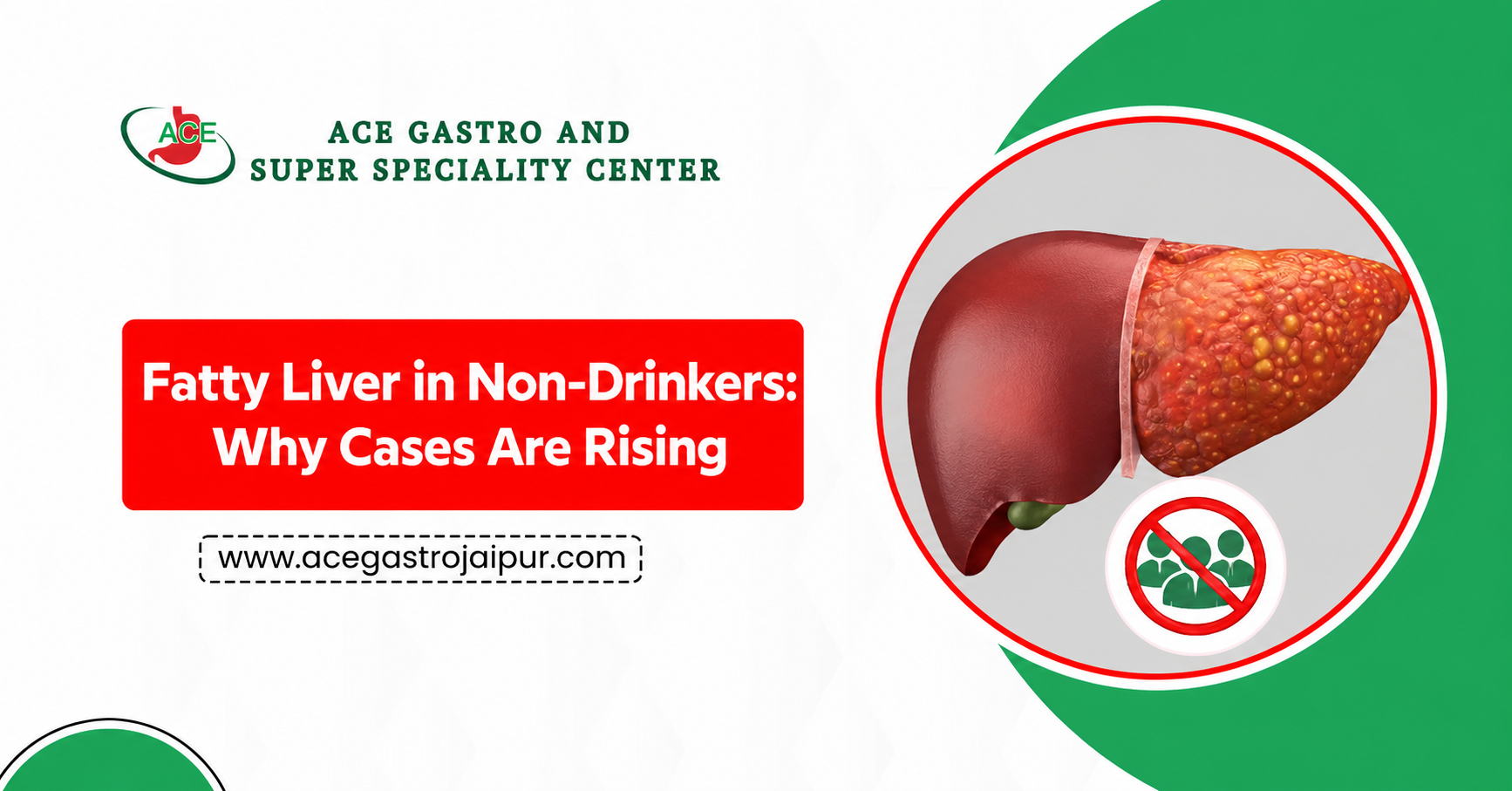
Fatty liver is a condition where excess fat builds up in the liver cells. A small amount of fat in the liver is normal, but when fat makes up more than 5-10% of the liver’s weight, it becomes a medical concern.
There are two main types:
- Alcoholic Fatty Liver Disease (AFLD) – caused by excessive alcohol consumption
- Non-Alcoholic Fatty Liver Disease (NAFLD) – occurs without alcohol, and this is the type that’s becoming increasingly common today
Why Are Fatty Liver Cases Rising in Non-Drinkers?
1. Changing Lifestyle and Junk Food Habits
Sedentary routines, fast food, packaged snacks, and sugary beverages put direct pressure on the liver. When the body can’t use up excess calories, it stores them as fat — and a large portion of that fat ends up in the liver.
2. Obesity and Belly Fat
Weight gain, especially fat accumulated around the abdomen, is one of the biggest risk factors for fatty liver. With obesity rates climbing rapidly in urban lifestyles, liver health is taking a direct hit.
3. Type 2 Diabetes and Insulin Resistance
There’s a strong link between diabetes and fatty liver. When the body develops insulin resistance, the liver starts accumulating fat much faster. This is why fatty liver is so commonly seen in diabetic patients.
4. High Cholesterol and Triglycerides
Elevated triglycerides and bad cholesterol levels in the blood also promote fat build-up in the liver, regardless of whether the person drinks alcohol or not.
5. Genetics and Family History
Some people are genetically more predisposed to developing fatty liver. If it runs in your family, you need to be extra cautious with your lifestyle choices.
6. Poor Sleep and Chronic Stress
Poor sleep patterns and long-term stress disrupt the body’s metabolism, which encourages fat to build up in the liver. This is a factor many people tend to overlook.
7. Certain Medications and Supplements
Long-term use of certain medications can also affect liver function and contribute to fatty liver, which is why any medication should only be taken long-term under a doctor’s supervision.
Symptoms of Fatty Liver
The trickiest part about fatty liver is that it often shows little to no symptoms in the early stages. As the condition progresses, people may notice:
- Persistent fatigue
- Mild discomfort or heaviness in the upper right side of the abdomen
- Unexplained weight loss
- Reduced appetite
- General weakness
- Mild yellowing of the skin or eyes (in advanced stages)
If any of these symptoms persist, it’s important to get checked by an experienced doctor rather than waiting it out.
How Is Fatty Liver Diagnosed?
Diagnosis typically involves a few standard tests:
- Liver Function Test (LFT) – a blood test that checks liver enzyme levels
- Ultrasound of the Abdomen – to detect fat deposits in the liver
- FibroScan – measures liver stiffness and fat percentage
- Liver Biopsy – used in advanced cases to determine the exact stage of liver damage
Early and accurate diagnosis plays a key role in preventing the condition from progressing further.
Can Fatty Liver Be Reversed?
The good news is that when caught early, fatty liver can often be reversed with the right lifestyle changes. Here are steps that genuinely make a difference:
- Aim for gradual weight loss – losing just 5-10% of body weight can significantly reduce liver fat
- Cut down on sugar and refined carbs – limit sodas, sweets, and white bread
- Stay physically active – aim for at least 150 minutes of moderate exercise or walking per week
- Eat a fiber-rich diet – include more vegetables, fruits, and whole grains
- Prioritize good sleep – 7-8 hours of quality sleep supports healthy liver metabolism
- Go for regular check-ups – especially important if you have diabetes or high cholesterol
When Should You See a Doctor?
If you’ve been experiencing persistent abdominal heaviness, fatigue, or unexplained weight loss — or if you already have diabetes, obesity, or high cholesterol — it’s best not to delay a consultation with a Liver Specialist in Jaipur. Timely diagnosis and guidance can prevent fatty liver from progressing into more serious conditions like cirrhosis.
According to Dr. Sushil Kumar Jain, “These days, a large number of fatty liver patients I see have never consumed alcohol — their diet and lifestyle habits are the real root cause. When identified at an early stage, diet and exercise alone can often bring the liver back to a healthy state.”
Dr. Sushil Kumar Jain, MD, DM (Gastroenterology) from AIIMS New Delhi, has over 15 years of experience successfully treating gastro and liver-related conditions. He is a trusted Gastro Doctor in Jaipur, known for offering accurate diagnosis and effective treatment for fatty liver, hepatitis, cirrhosis, and other liver conditions.
Conclusion
Fatty liver is no longer just a “drinker’s disease.” Changing lifestyles, junk food habits, obesity, and diabetes are driving a sharp rise in cases among non-drinkers too. The encouraging part is that with timely detection and the right lifestyle changes, the liver can be kept healthy and, in many cases, the damage can be reversed.
If you’re experiencing symptoms of fatty liver or want to get your liver health checked, consult an experienced Gastro Doctor at ACE Gastro Super Speciality Clinic and take the first step toward a healthier liver.
FAQs
Q1. Can fatty liver occur without drinking alcohol?
Yes, this is called Non-Alcoholic Fatty Liver Disease (NAFLD) and is caused by factors like obesity, diabetes, and an unhealthy lifestyle.
Q2. What are the early symptoms of fatty liver?
Fatigue, mild discomfort in the upper right abdomen, and reduced appetite are common early signs, though many people show no symptoms at all in the initial stages.
Q3. Can fatty liver be permanently cured?
When detected early, fatty liver can often be reversed through weight management, a healthy diet, and regular exercise.
Q4. Which doctor should I consult for fatty liver?
It’s best to consult a qualified Gastroenterologist or Liver Specialist who can run the appropriate tests and provide an accurate diagnosis.
Q5. What happens if fatty liver is left untreated?
If ignored, fatty liver can gradually progress to liver inflammation, fibrosis, and, in severe cases, cirrhosis.


