

How to Improve Fatty Liver in 14 Days
- Admin
- Sep 25, 2026
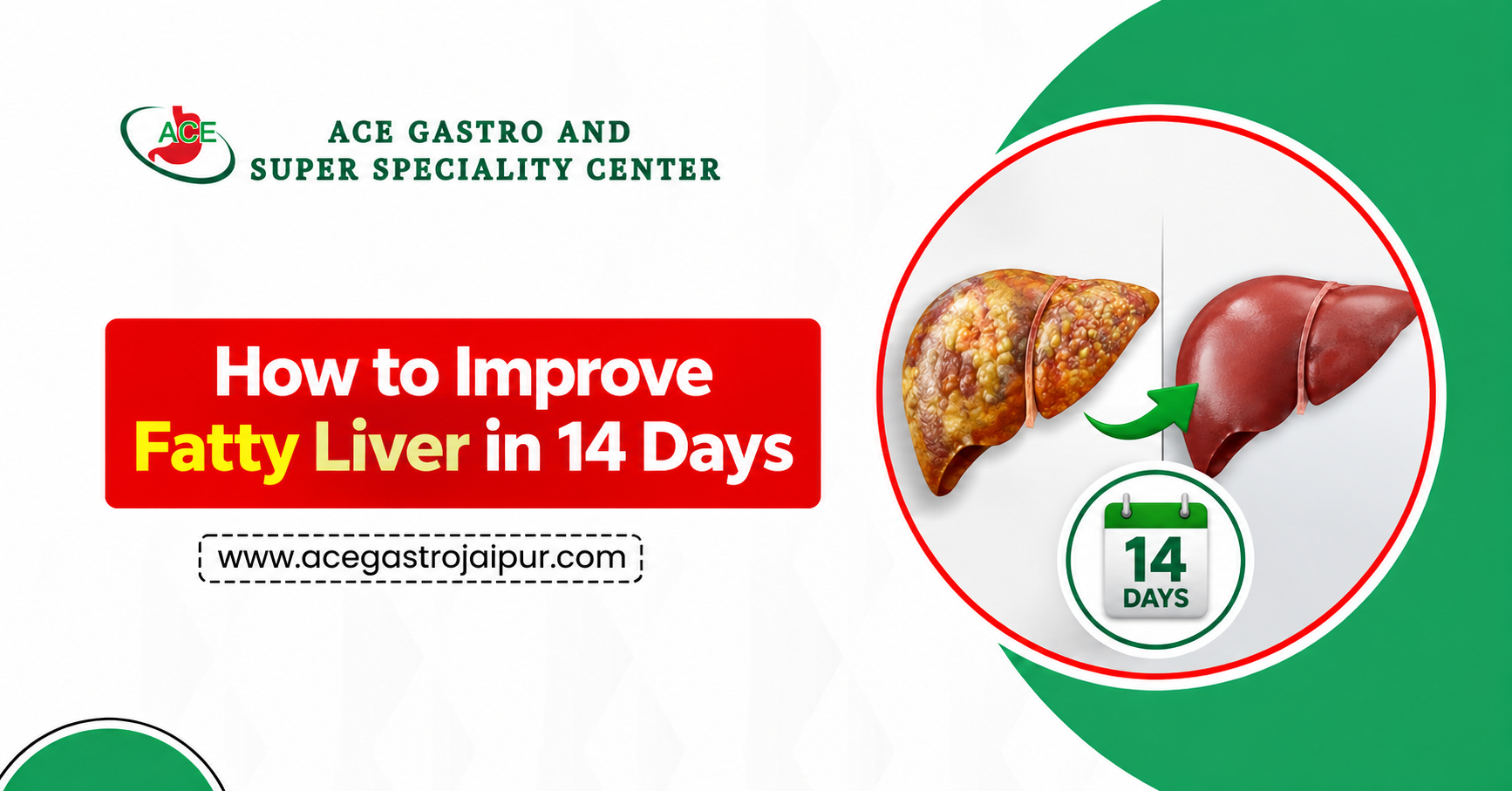
Fatty liver disease has quietly become one of the most common health concerns in India, affecting nearly 1 in 3 adults, often without any obvious symptoms until the condition progresses. The good news? In its early stages, fatty liver is largely reversible. While completely reversing years of accumulation in 14 days isn’t realistic, you absolutely can kickstart significant improvement, reduce liver fat, and feel noticeably better within two weeks by making the right changes.
This guide explains what to do, why it works, and when to consult a professional.
What Is Fatty Liver Really?
Fatty liver occurs when excess fat builds up in liver cells. There are two types:
- Non-Alcoholic Fatty Liver Disease (NAFLD) – linked to obesity, poor diet, and a sedentary lifestyle
- Alcoholic Fatty Liver Disease (AFLD) – caused by excessive alcohol consumption
Left unmanaged, fatty liver can progress to inflammation (steatohepatitis), fibrosis, cirrhosis, and, in severe cases, even acute liver failure. That is why early intervention matters and why many people eventually seek guidance from a Liver Specialist in Jaipur once symptoms start interfering with daily life.
Can Fatty Liver Actually Improve in 14 Days?
Yes. To an extent. Studies show that even moderate dietary changes and calorie restriction can reduce liver fat content by 10-20% within two to four weeks. Your liver is a resilient organ with strong regenerative capacity, which means quick, disciplined action produces real, measurable results.
Here’s your day-by-day approach broken into pillars.
Day 1-3: Reset Your Diet Immediately
The first three days are about cutting out what’s actively harming your liver.
Eliminate immediately:
- Sugary drinks, packaged juices, and sodas
- Refined carbs like bread, maida-based snacks, and bakery items
- Deep-fried and processed foods
- Alcohol completely
Start including:
- Bitter foods like karela (bitter gourd), methi, and neem. Traditionally recommended for liver support
- High-fibre vegetables and fruits like papaya, amla, and leafy greens
- Warm water with lemon first thing in the morning to support digestion
Day 4-7: Build a Liver-Friendly Eating Pattern
By now, your body starts adjusting. Focus on consistency.
- Increase protein intake with dal, sprouts, paneer, and eggs to support liver cell repair
- Add fats in moderation. Walnuts, flaxseeds, and olive oil instead of refined cooking oils
- Practice portion control. Smaller, frequent meals reduce the metabolic burden on your liver
- Stay hydrated with at least 8-10 glasses of water daily to help flush toxins
Coffee (without sugar) in moderation has also been linked in research to lower liver enzyme levels and reduced fibrosis risk. If you also experience bloating, acidity, or irregular digestion during this phase, it may be worth having a Gastro Doctor in Jaipur check whether these symptoms are connected to your liver health or a separate digestive issue.
Day 8-11: Add Movement and Manage Weight
Diet isn’t enough. Physical activity is one of the fastest ways to mobilise liver fat.
- Aim for 30-45 minutes of exercise daily: brisk walking, cycling, or swimming
- Even a 5-7% reduction in body weight can significantly reduce liver fat
- Avoid crash dieting. Losing weight too quickly can actually worsen liver inflammation
- Incorporate light strength training to improve insulin sensitivity, which directly affects fat storage in the liver
Day 12-14: Fine-Tune and Monitor
In the final stretch, consistency and monitoring matter most.
- Track your energy levels, digestion, and any reduction in symptoms like fatigue or right-upper-abdomen discomfort
- Continue avoiding alcohol and processed sugar entirely
- Prioritise 7-8 hours of quality sleep, as poor sleep is linked to worsening insulin resistance and fat accumulation
- Manage stress through yoga or meditation. Chronic stress elevates cortisol, which can contribute to fat storage
When Should You See a Doctor?
While lifestyle changes work wonders for early-stage fatty liver, certain signs mean it’s time to stop self-managing and consult a specialist:
- Pain in the upper right abdomen
- Unexplained fatigue that doesn’t improve
- Yellowing of skin or eyes (jaundice)
- Swelling in the legs or abdomen
- Liver function test results
If you’re experiencing these symptoms or have been diagnosed with advanced fatty liver disease, don’t rely on home remedies alone. Fatty liver can sometimes progress silently into serious conditions, and professional evaluation through blood tests, ultrasound, or FibroScan can catch problems early. For residents of Rajasthan dealing with concerns, Dr. Sushil Kumar Jain is a well-regarded name in gastroenterology and hepatology, known for evidence-based, patient-centred treatment approaches for liver and digestive health conditions.
Why Timely Treatment Matters
In neglected cases, fatty liver disease can escalate rapidly, sometimes leading to acute complications that require immediate medical intervention. If you or someone you know experiences confusion, severe jaundice, or rapid abdominal swelling, this could indicate a medical emergency. Delaying care in these moments can be dangerous, which is why timely access to proper hepatology support matters so much when the condition worsens quickly.
Rajasthan has seen a rise in liver-related hospital visits over recent years, largely driven by lifestyle factors, unmonitored diabetes, and delayed diagnosis. This makes access to Acute Liver Failure Treatment in Jaipur an important safety net for patients whose condition crosses from manageable to critical, so never delay seeking emergency care when warning symptoms appear.
A Realistic 14-Day Fatty Liver Improvement Plan in Short
The first three days focus on eliminating sugar, alcohol, and fried food from your plate. The next four days shift toward building protein-fibre-heavy meals that give your liver the nutrients it needs to repair itself. Days eight through eleven bring exercise and steady weight management into the picture since movement is what actually mobilises stored fat. The final three days are about monitoring your progress, tightening up your sleep schedule, and keeping stress in check so the gains you’ve made actually stick.
Final Thoughts
Improving fatty liver in 14 days is genuinely achievable when you commit to consistent discipline, regular movement, and adequate rest. However, this short-term plan works best as a foundation, not a finish line. Sustainable liver health requires long-term lifestyle commitment. If your symptoms persist. If you have underlying conditions like diabetes or obesity, professional guidance from a qualified hepatologist or gastroenterologist makes all the difference between temporary improvement and lasting liver health.
People Also Ask
1. Can fatty liver be fully cured in 14 days?
No, significant improvement is possible. Early-stage fatty liver often shows fat reduction within two weeks of consistent dietary and lifestyle changes, though full reversal typically takes several months of sustained effort.
2. What foods should I avoid completely with fatty liver?
Avoid alcohol, sugary beverages, refined carbohydrates, fried foods, and excessive red meat. These directly contribute to accumulation and liver inflammation.
3. Is walking exercise good to improve fatty liver?
Yes, brisk walking for 30-45 minutes daily is highly effective, especially when combined with lifestyle changes. It improves insulin sensitivity. Helps mobilize stored liver fat.
4. Are there fruits good for fatty liver?
Papaya, amla (gooseberry), apples, and berries are excellent choices due to their fibre and antioxidant content, which support liver detoxification.
5. When should I consult a liver specialist to manage it myself?
If you experience abdominal pain, jaundice, unexplained fatigue, or abnormal liver enzyme results, consult a specialist promptly rather than relying solely on home remedies.
6. Can fatty liver lead to liver failure if untreated?
Yes, in neglected cases, fatty liver can progress to fibrosis, cirrhosis, and, in difficult situations, acute liver failure, which requires immediate medical attention.
7. Does coffee really help with fatty liver?
Several studies suggest that moderate unsweetened coffee consumption is associated with liver enzyme levels and reduced risk of fibrosis, though it shouldn’t replace core lifestyle changes.


